
The Coach
I didn't want to be a parent.
I remember the moment my wife told me we were expecting. It wasn't part of a plan I'd built toward. It was news that arrived, and a life that had to be figured out as it came.
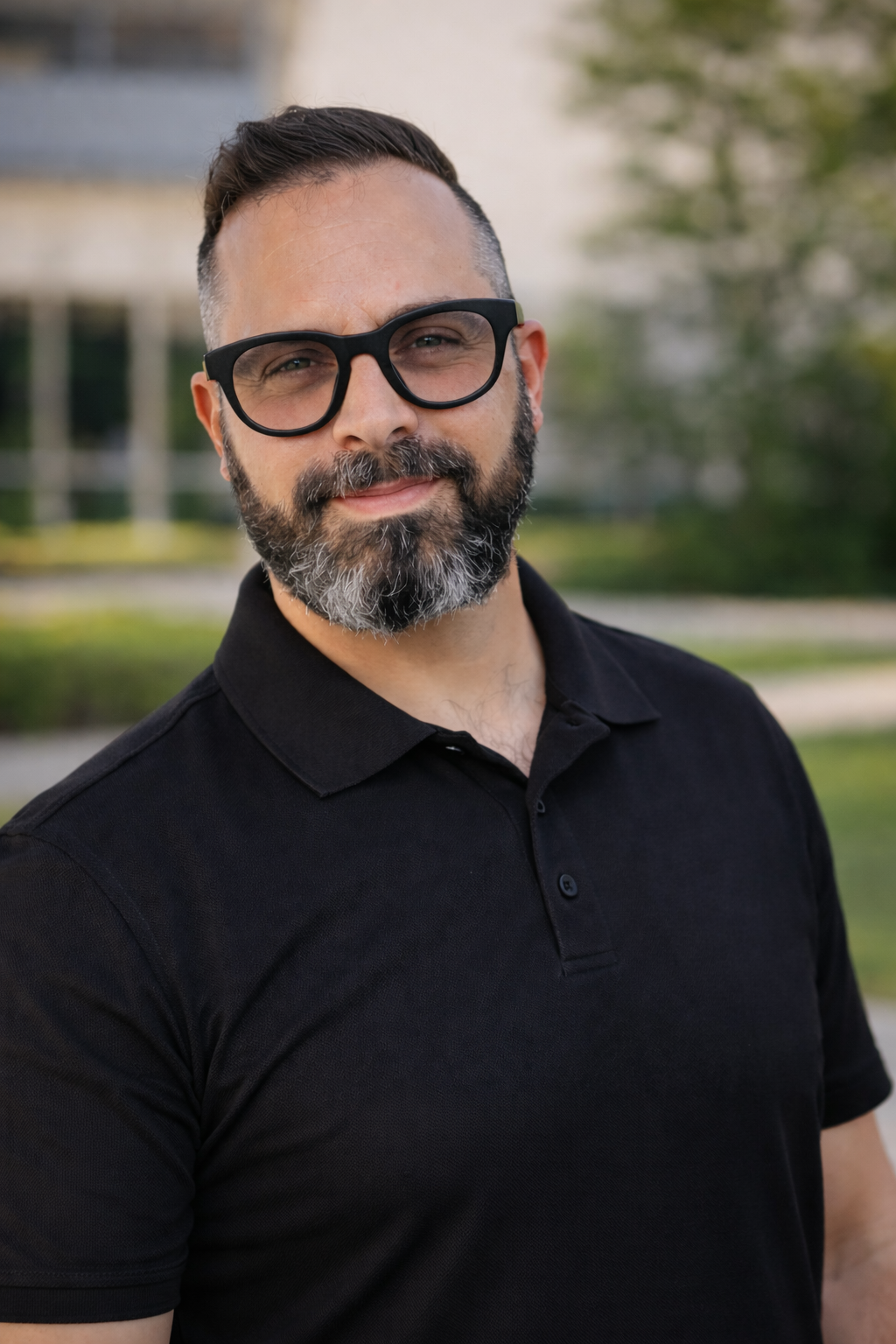
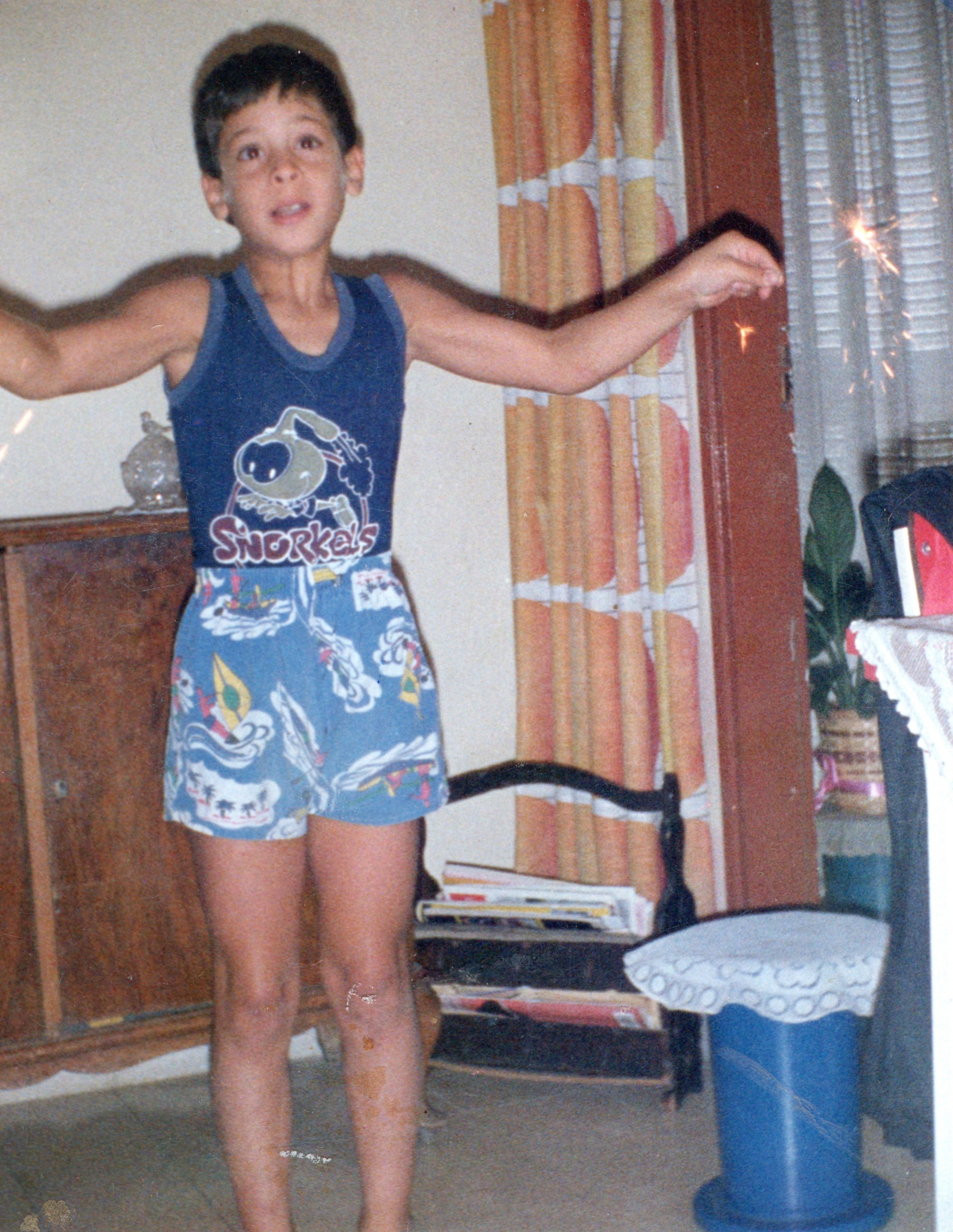
My first reaction was dread, not excitement. When I looked inward, I found the reason. Both my parents were there, but neither of them really was, not in the ways that mattered. I spent my days alone, and it was boring. I didn't need more toys or more activities. I needed someone close. That's when it hit me, how we show up shapes who our kids become.
I wasn't missing information. I was missing presence.
That's the thread that runs through everything I do now. I have three kids of my own, a daughter who's almost four, and twin one-year-olds, a boy and a girl. I'm not coaching from theory. I'm in it, same as you.
Beyond Parenting isn't another method to learn or another expert to follow. In my experience, that's often part of the problem, not the solution. Parents don't need more intellectualising. They need presence, with their kids and with themselves.
Think of it like this.
Everyone can lose weight. Eat less than you burn. Everyone can build wealth. Spend less than you earn. Simple formulas. Millions of people know them. And still don't do them.
Not because they're lazy. Not because they don't want it badly enough. Because knowing the formula was never the problem.
You can have the best software in the world — the perfect parenting habit, the perfect five-step process — but if you try installing it on old version of Windows, it runs slow. Glitches. Sometimes it won't open at all. Not because the software's broken. Because the operating system underneath it can't run it properly.
Identity is the operating system. Behaviour is the software you're trying to install. Most parenting advice hands you better software. But if the identity underneath hasn't changed, the behaviour glitches the same way it always has.
Beyond Parenting . Not another app to install. The upgrade underneath.
My Story
Before I was a father, a husband, or a coach, I was a kind of thermometer.
As a boy, I learned to read a room before I understood I was doing it. A shift in tone. A certain silence. A look that lasted half a second too long. I would turn to one person, read what was happening in them, and shape myself around it. Not performing for attention. Just working out how to be, based on what I sensed in them.
That same skill followed me into music. I became a DJ, learning to feel a room shift before it happened.

But it was in sales that I really saw what that skill had become. I wasn't just good at knowing what to say. I was good at reading whether the person in front of me was happy or uneasy, and adjusting myself before they'd said a word, sometimes before they even knew it themselves.
For a long time, I thought that was just a talent. It took me longer to see it for what it actually was. The same hypervigilance I'd learned as a boy, still scanning the room, not to make anyone happy, but to know I still belonged. Somewhere along the way, the scanning itself became how I lived.
Underneath it, there was real care. Because how people around me were feeling used to matter for my own place in the pack, I learned to care, deeply, about how everyone feels. That's not a flaw. In the relationships that matter most, that care is a gift.
The trouble starts when it stops staying there, when the same care that once protected your place in one home, one relationship, follows you into every room, every conversation, every stranger's mood. That's what you'd call people pleasing.
Always knowing how people feel. Always vigilant. Always tired in a way that's hard to explain.
If you recognise that in yourself, you're in the right place. Let's talk.
Who I work with
I work with two kinds of parents. Both love their kids just as much.
Stuck in the difficulty
Trying everything — the books, the podcasts, the courses — and still not knowing what's actually wrong or what to do about it.
Carrying it quietly
They've turned the difficulty inward. They quietly carry the guilt, wondering if they're the ones not doing enough.
Fun only ever happens now. So does courage, and change, and the first step you almost keep taking.
Eran
You've read this far. That usually means something.
Let's find out what.